

Welcome to the
Tweed Chamber of Commerce
The Tweed Chamber of Commerce & Industry Inc is one of regional New South Wales longest established and active chambers of commerce.
As an association, which primarily represents the interests of its members, the goal of the Tweed Chamber of Commerce and Industry is to provide networking, education, and advocacy for the business community.
Starting a new business?
Unlock the doors to entrepreneurial success in Australia with the help of the Business.gov.au Guide to Starting a Business
Click on the ‘Start Now’ button to embark on your business journey with confidence. From business registration to market strategies and beyond, Business.gov.au provides a wealth of resources to guide you. Your future business endeavours starts right here. Build your business, step by step, and make your entrepreneurial dreams a reality.

The Tweed Chamber of Commerce & Industry gratefully acknowledges and thanks our sponsors for their support







Tweed Chamber of Commerce & Industry progressive … dynamic … exhilarating are your local chamber
Advocacy
We're your local business advocatesAdvocate for Business
We will advocate for business and a catalyst to stimulate economic development.Education
Promote positive and relevant educationWe strive to educate our members
Promote positive and relevant communications with its members, potential members, and with the community at large.
Networking
Opportunities aboundPromote Networking
Promote networking opportunities amongst its members.OUR OBJECTIVES
The NSW Tweed Chamber of Commerce and Industry Inc. is dedicated to promoting a vibrant business environment by cooperative interaction among businesses, the government, and the community.
Upcoming Events
Tweed Chamber of Commerce & Industry networking breakfast events are generally held every 2nd Tuesday of the month (except for January).
Pre-purchase your breakfast entry at Humanitix events.humanitix.com/tweed-chamber-business-breakfast-2025
Do you have an upcoming event?
If you have an upcoming community or business event then let us know so we can list and help promote your event for you.
Events we accept are:
- Financial member events – including paid events (seminars, grand openings, etc.)
- Community and non-profit group events (volunteer days, fundraising events, etc.)
- Non-member events – restricted to free entry and public events only (grand openings, free training events, etc.)
Find out more or have your event listed contact the Tweed Chamber of Commerce or submit a listing request with the button below.
Latest News Posts

Tweed Chamber of Commerce & Industry Announces New Executive Board Focused on Building a Stronger Business Community
The Tweed Chamber of Commerce & Industry is proud to announce its newly elected executive board for the upcoming term. Comprising experienced and passionate business leaders, the board is committed to fostering growth, innovation, and collaboration within the Tweed business community. Leading the new executive team is President Colin Usher, who brings extensive experience and a vision for strengthening local businesses. Supporting him is Vice President Sarah Robinson, who is well-known for her strategic insights and dedication to economic development. [...]

Notice of AGM 2024
The Annual General Meeting (AGM) of the Tweed Chamber of Commerce and Industry Inc will be held at 8:45am (DST) on Tuesday, 12 November at Club Tweed following the networking breakfast that morning. All current executive positions will be declared vacant and nominations will be accepted to fill these positions. If you would like to be actively involved with your local business community, we welcome your nomination for a committee position by contacting the chamber Secretary at [...]
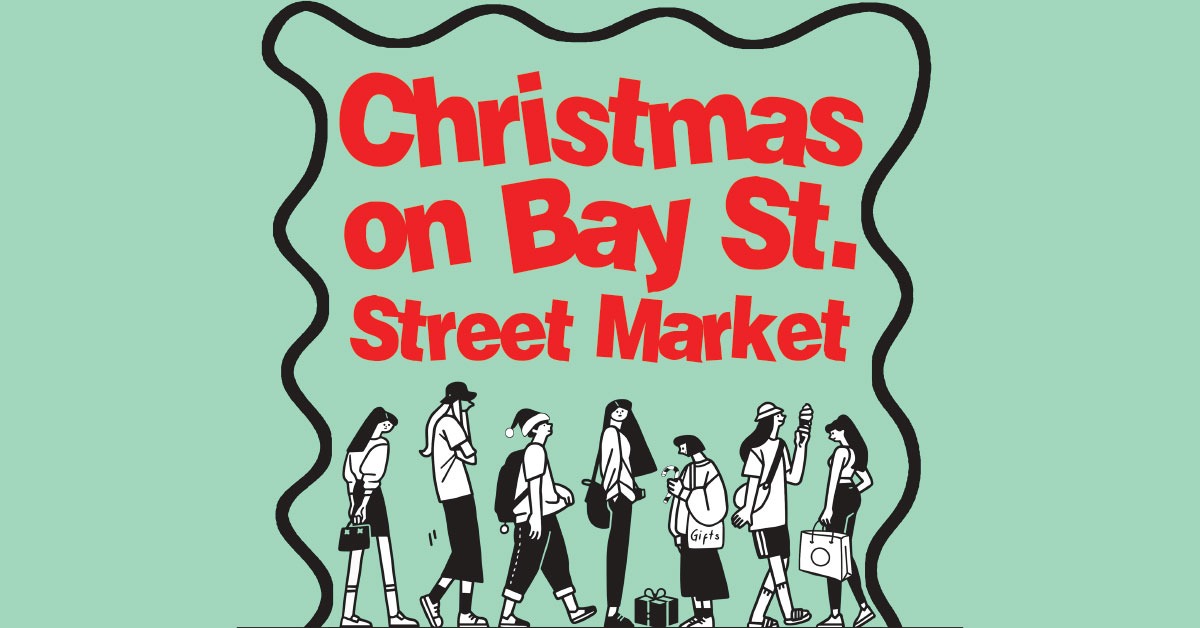
Bay Street Christmas 2023 Raffle Prize Winners
Winners 1st PRIZE SS Ticket Number: #369 2nd PRIZE KD Ticket Number: #546 3rd PRIZE MT Ticket Number: #76 4th PRIZE CM Ticket Number: #358 5th PRIZE JC Ticket Number: #1593 6th PRIZE KO Ticket Number: #1209 7th PRIZE LM Ticket Number: #1364 8th PRIZE BZ Ticket Number: #1239 9th PRIZE FH Ticket Number: #1475 10th PRIZE AR Ticket Number: #1024 11th PRIZE LM Ticket Number: #1092 12th PRIZE JB Ticket Number: #1172 13th PRIZE MH Ticket Number: [...]
Tweed Shire
 Tweed Shire covers 1303 square kilometres and adjoins the NSW Local Government Areas of Byron, Lismore and Kyogle, with the NSW/Queensland border to its north where it divides the twin towns of Tweed Heads and Coolangatta.
With 37 kms of natural coastline, the Tweed Shire boasts a unique and diverse environment.
Centrepiece of the Shire is Mount Warning, where the sun first hits the Australian continent. The surrounding McPherson, Tweed, Burringbar and Nightcap ranges form the caldera of the fertile Tweed Valley.
Prior to European settlement, the area was blanketed in sub-tropical forest and was home to the Bundjalung people. Many of the Shire’s towns and villages derive their names from the language of those Aborigines.
The area was settled by timber-getters around 1844; the first school opened in 1871; and by the 1890’s, the river port of Tumbulgum was the centre of population. The focus moved to Murwillumbah when the first Local Government municipality was declared in 1902. The Tweed Shire, which amalgamated the Municipality of Murwillumbah and Shire of Tweed, was declared in 1947.
Today in excess of 80,000 people live in Tweed, scattered through 17 villages, two towns, and the major urban areas of Tweed Heads and South Tweed. The last twenty years have seen enormous growth, with the population increasing, on average, approx. 1.9% per year between the 1996 census and the 2001 census, largely due to southern retirees drawn by the temperate climate and relaxed lifestyle.
The retail, hospitality, agricultural and tourism industries are major employers, while construction, fishing, and light industry are other significant contributors to the local economy.